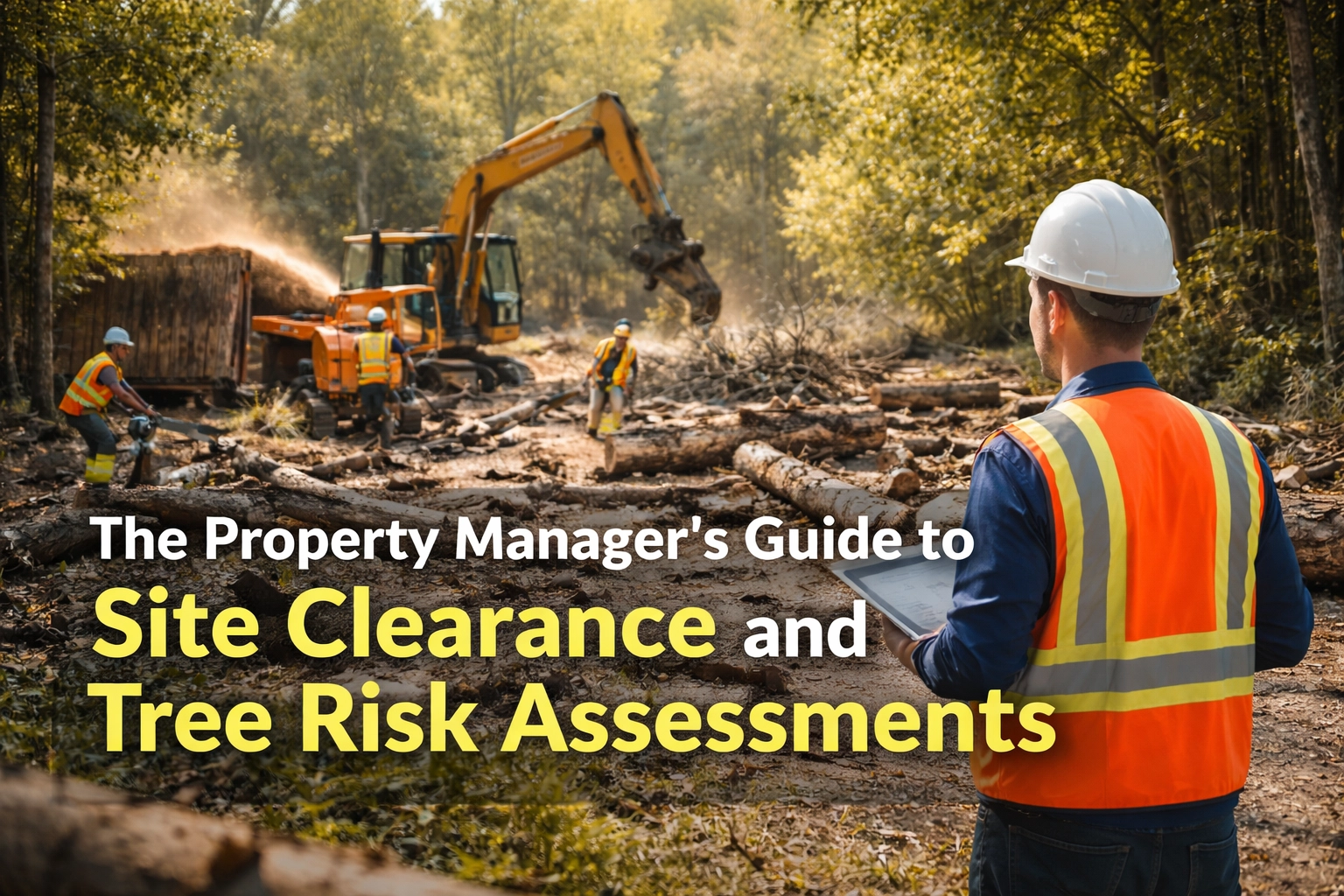
Managing land and property comes with a long list of responsibilities. Among the most critical: and often overlooked: are site clearance and tree risk assessments. Whether you're preparing a plot for development, maintaining commercial grounds, or managing a portfolio of properties across County Durham and the North East, understanding these processes can save you time, money, and legal headaches.
This guide breaks down what property managers, developers, and land managers need to know about site clearance and tree risk assessments, with a focus on compliance, safety, and strategic planning.
What Is Site Clearance?
Site clearance is the process of removing obstructions, vegetation, and hazards from a piece of land to prepare it for construction, development, or alternative use. This can include:
- Removing trees, hedgerows, and scrub vegetation
- Demolishing existing structures
- Clearing debris and waste materials
- Grubbing out roots and stumps
- Levelling and grading the land
For property managers and developers, site clearance is typically the first major step before any building work can begin. Getting it right sets the foundation: quite literally: for everything that follows.
Why Site Clearance Matters for Commercial Projects
A poorly planned site clearance can derail a project before it even starts. Delays, unexpected costs, and compliance issues are common when the groundwork isn't handled properly.
Here's why it deserves your full attention:
Safety first. Overgrown vegetation, unstable trees, and hidden hazards pose real risks to workers and the public. Clearing these properly protects everyone on site.
Legal compliance. Local councils across County Durham, Sunderland, and the wider North East have specific requirements around tree removal, protected species, and waste disposal. Failing to obtain the right permits can result in fines or project shutdowns.
Project efficiency. A thorough clearance allows construction teams to work without interruption. Surprises underground or overlooked trees can cause costly delays.
Environmental responsibility. Responsible site clearance considers ecology, protected habitats, and sustainable disposal of green waste.
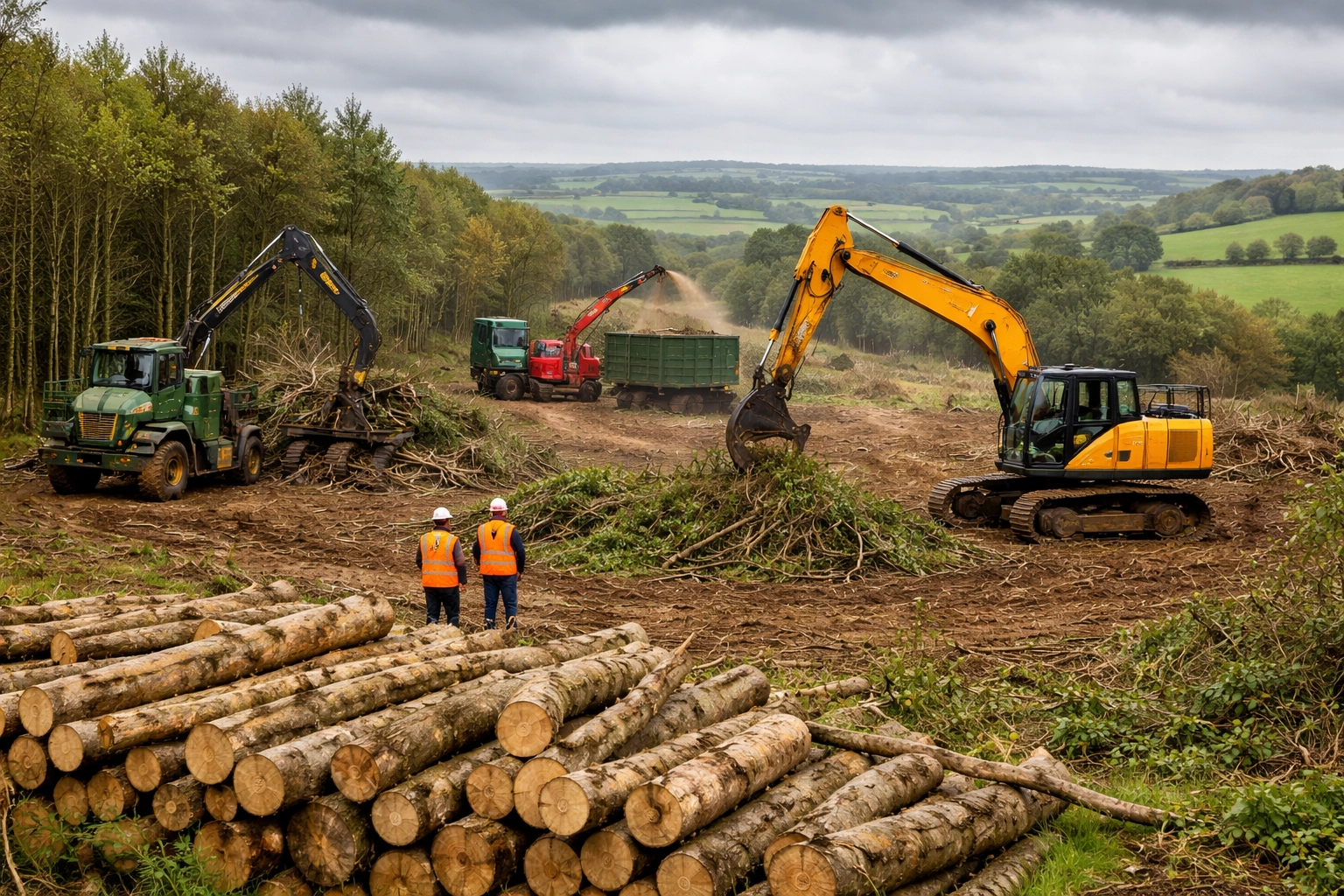
The Site Clearance Process: Step by Step
Every site is different, but a structured approach helps ensure nothing gets missed.
1. Site Survey and Assessment
Before any machinery arrives, a comprehensive survey should identify:
- Existing vegetation, including trees that may be protected by Tree Preservation Orders (TPOs)
- Underground utilities such as water, gas, and electricity
- Structures requiring demolition
- Terrain features and potential drainage issues
- Property boundaries
This assessment informs the entire clearance strategy and highlights any restrictions or permits required.
2. Legal and Regulatory Checks
Obtain necessary permits from your local planning authority before work begins. In the North East, this often involves:
- Checking for TPOs and Conservation Area restrictions
- Applying for felling licences where required
- Verifying zoning and environmental requirements
- Confirming property boundaries to avoid disputes
Working with an experienced arboricultural consultancy can help navigate these requirements efficiently.
3. Hazardous Materials Management
Older sites may contain asbestos, contaminated soil, or other hazardous materials. These require specialist assessment and removal before general clearance work can proceed.
4. Vegetation and Structure Removal
With permits in place, the physical clearance begins. This typically involves:
- Felling and removing trees (with stump grinding where required)
- Clearing scrub, hedgerows, and undergrowth
- Demolishing structures safely
- Removing debris for appropriate disposal or recycling
5. Grading and Preparation
Once the site is cleared, heavy machinery levels the ground to the required slope and elevation. This creates a stable, uniform surface ready for construction.
6. Final Inspection and Documentation
A thorough inspection confirms the site is safe and ready for the next phase. Document everything: photos, permits, contractor details, and activity logs: to protect your interests and satisfy compliance requirements.
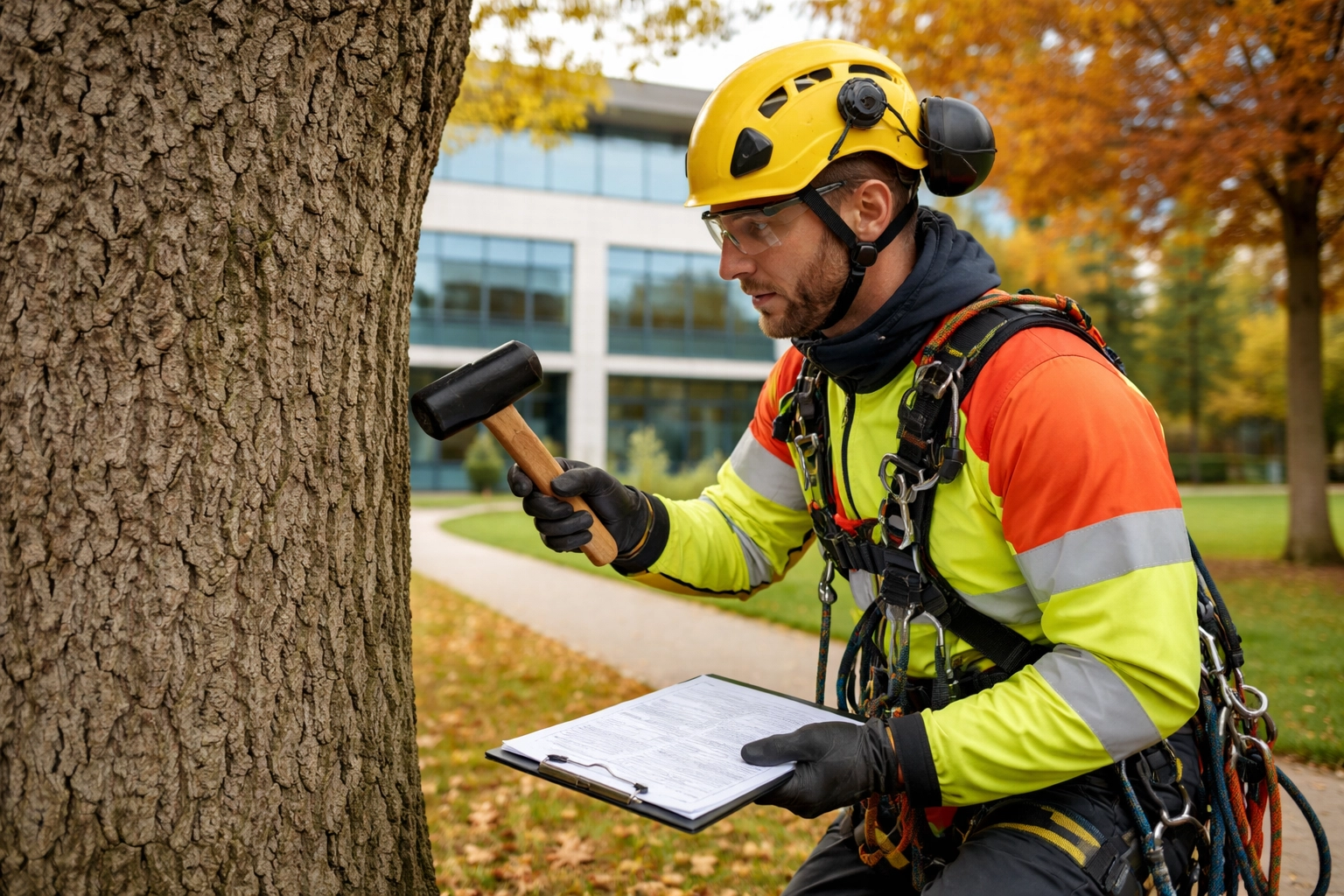
Understanding Tree Risk Assessments
Trees are valuable assets, but they can also present significant risks if not properly managed. A tree risk assessment evaluates the likelihood of tree failure and the potential consequences.
For property managers, regular tree risk assessments are essential for:
- Duty of care compliance – You have a legal responsibility to ensure trees on your land don't pose unreasonable risks to people or property.
- Insurance requirements – Many insurers require evidence of proactive tree management.
- Planning applications – Development proposals often require tree surveys and impact assessments.
- Long-term asset management – Understanding the condition of your trees helps plan maintenance and budget accordingly.
What Does a Tree Risk Assessment Involve?
A qualified arboriculturist will inspect trees on your site and assess:
- Structural condition – Signs of decay, cracks, weak unions, or root damage
- Health and vitality – Disease, pest infestations, or decline
- Site factors – Proximity to buildings, roads, footpaths, and public areas
- Target assessment – What or who could be affected if the tree failed
Each tree is typically assigned a risk rating, and recommendations are provided for any necessary work: whether that's pruning, monitoring, or removal.
When Should You Commission a Tree Risk Assessment?
Consider arranging an assessment:
- Before purchasing or developing land
- After storm damage or significant weather events
- As part of annual property maintenance schedules
- When trees show visible signs of decline or damage
- Before major construction or landscaping projects
Regular assessments: typically every one to three years depending on the site: help catch problems early and demonstrate due diligence.
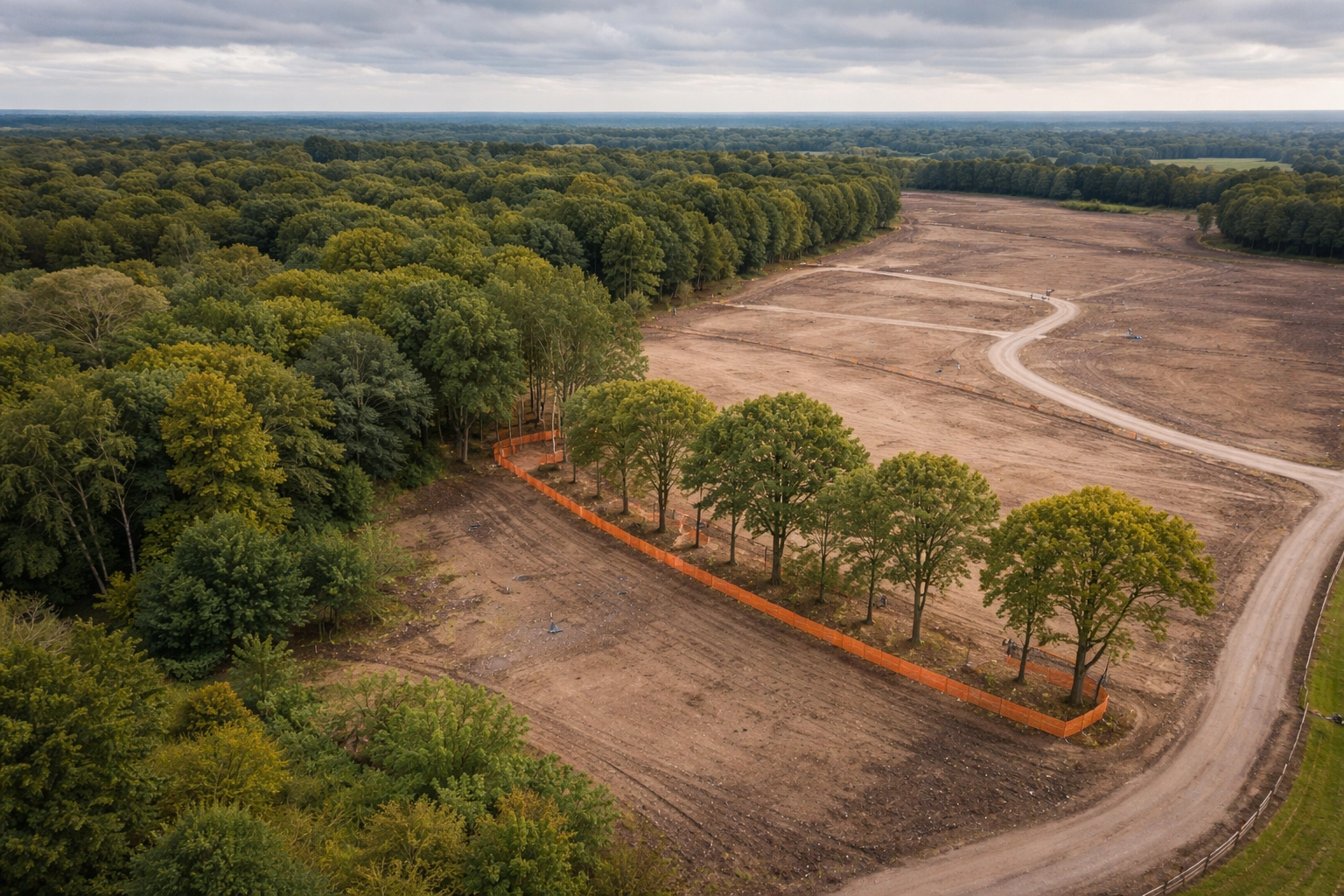
The Role of Arboricultural Consultancy
For complex sites or large portfolios, working with an arboricultural consultancy provides expert guidance throughout the planning and clearance process.
An arboricultural consultant can:
- Conduct BS5837 tree surveys for planning applications
- Prepare tree protection plans for construction projects
- Advise on TPO applications and Conservation Area requirements
- Provide expert witness services for disputes
- Develop long-term tree management strategies
This level of expertise is particularly valuable for property developers and land managers dealing with multiple sites or sensitive locations.
Compliance Considerations for the North East
Local authorities across Seaham, Sunderland, Durham, and the wider region each have their own specific requirements. Key points to be aware of:
Tree Preservation Orders (TPOs) – These protect specific trees or woodlands. Carrying out work on a protected tree without consent is a criminal offence with potentially significant fines.
Conservation Areas – If your site falls within a Conservation Area, you must give six weeks' notice to the council before carrying out work on any tree.
Felling Licences – Removing more than five cubic metres of timber in a calendar quarter typically requires a felling licence from the Forestry Commission.
Wildlife and Habitat Regulations – Nesting birds, bats, and other protected species may be present on site. Work must be timed and conducted to avoid disturbance.
Waste Regulations – Green waste and demolition materials must be disposed of properly, with appropriate duty of care documentation.
Navigating these requirements can be complex, but getting them wrong is costly. Professional advice at the planning stage pays dividends.
Planning Your Site Clearance Project
A few practical steps will help your project run smoothly:
Start early. Allow plenty of time for surveys, permit applications, and contractor scheduling. Rushing leads to mistakes.
Build in contingency. Site clearance often uncovers surprises: underground services, protected species, or contamination. Budget time and money for the unexpected.
Choose experienced contractors. Verify licences, insurance, and references. Ask for evidence of previous similar projects.
Document everything. Before and after photos, permits, contracts, and communication records protect you if questions arise later.
Communicate clearly. Regular updates between all parties help address issues before they become problems.
Working With Treemasters
At Treemasters Arboricultural & Forestry Contractors, we work with property managers, developers, and land managers across County Durham, Sunderland, and the North East. Our team provides professional site clearance, tree risk assessments, and arboricultural consultancy services tailored to commercial requirements.
Whether you're preparing a site for development, managing ongoing tree risks, or need expert advice for a planning application, we can help you navigate the process with confidence.
Get in touch to discuss your project requirements.
Get a Free Quote