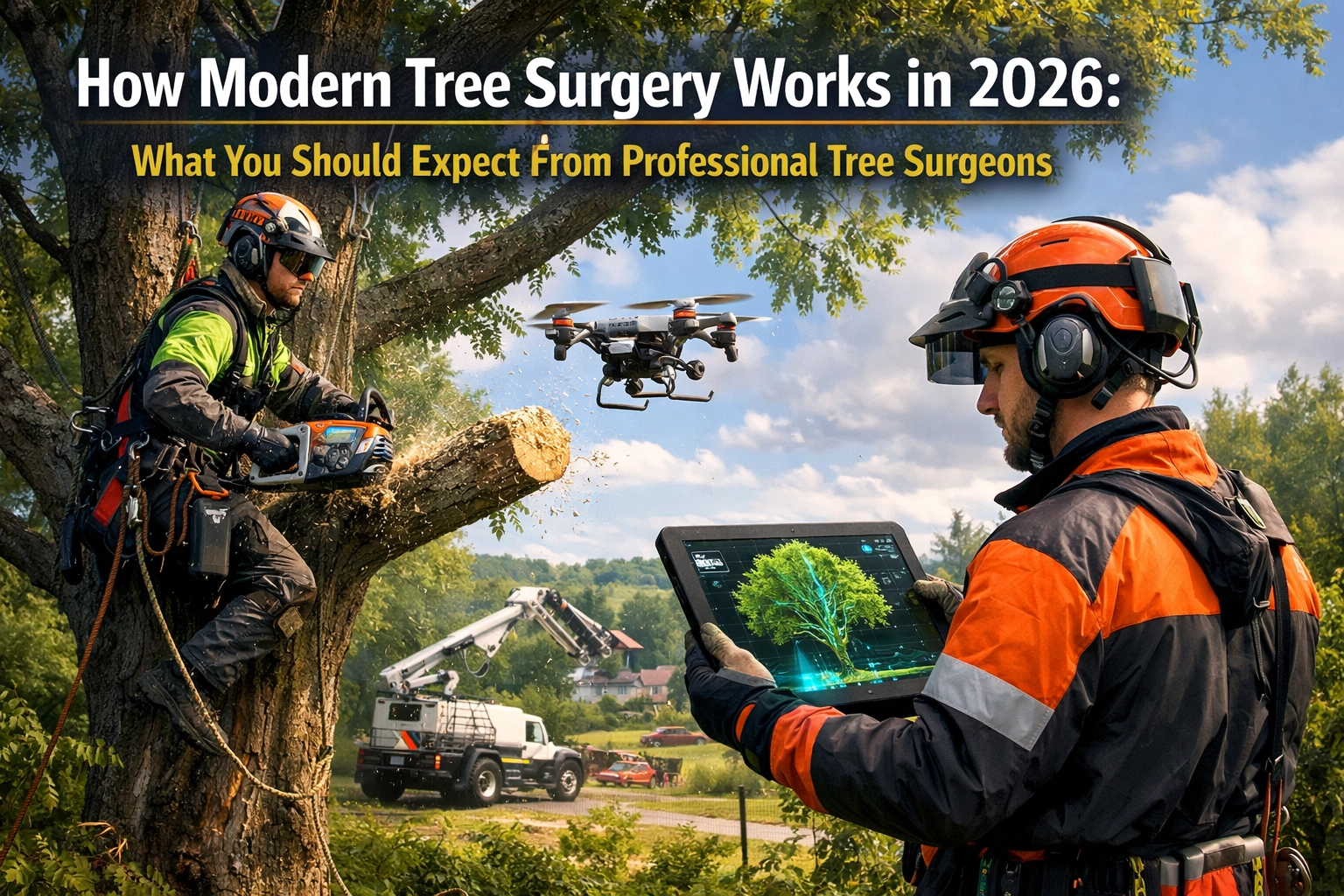
Tree surgery has come a long way in the past decade. If you last hired a tree surgeon back in 2015 or 2020, you might be surprised at how much has changed. We're not just talking about better saws and ropes: though those have improved too. The entire approach to caring for trees has evolved.
Today's professional tree surgeons combine traditional arboricultural knowledge with advanced technology, precision tools, and a deeper understanding of tree biology. Whether you're a homeowner in Seaham with a mature oak in your garden or a property manager in Sunderland overseeing commercial grounds, here's what modern tree surgery looks like in 2026: and why it matters for your trees.
Technology That Sees What We Can't
One of the biggest shifts in tree surgery is how we assess tree health before we even touch a branch. Professional arborists now use drones equipped with multispectral and thermal cameras to inspect trees from every angle. These aren't just fancy gadgets: they help us spot early signs of disease, pest infestations, and structural weaknesses that aren't visible from the ground.
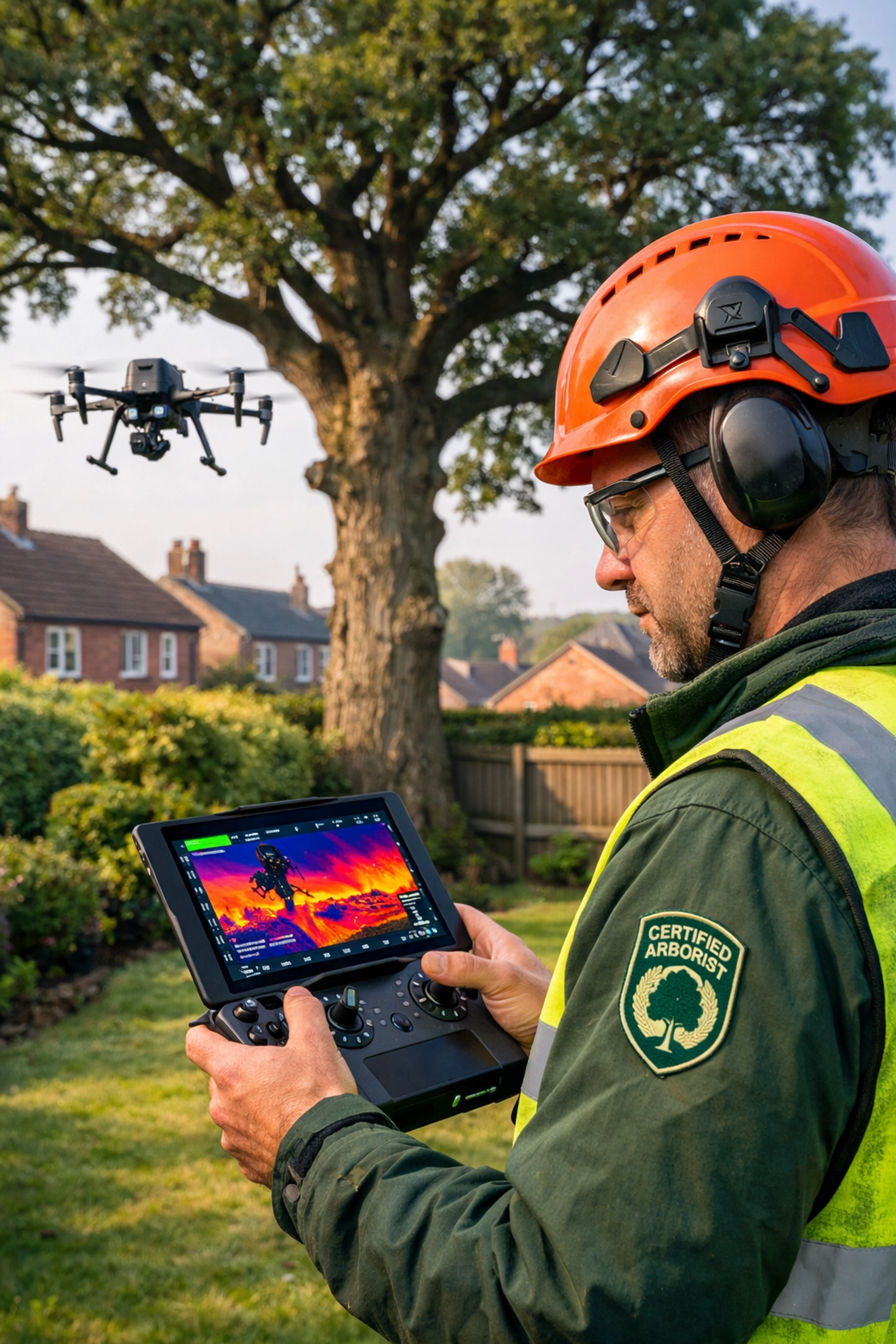
AI-powered analysis takes this further. By processing drone and satellite imagery, certified arborists can detect patterns of stress, monitor changes over time, and predict which trees might pose risks during storms. This means we can be proactive rather than reactive: addressing problems before they become emergencies.
Some advanced practices also use IoT sensors that monitor tree health in real time. These small devices measure soil moisture, temperature, and other environmental factors, giving us a continuous picture of what a tree needs. It's particularly useful for high-value specimen trees or trees in challenging urban environments across County Durham.
Equipment That's Safer and Smarter
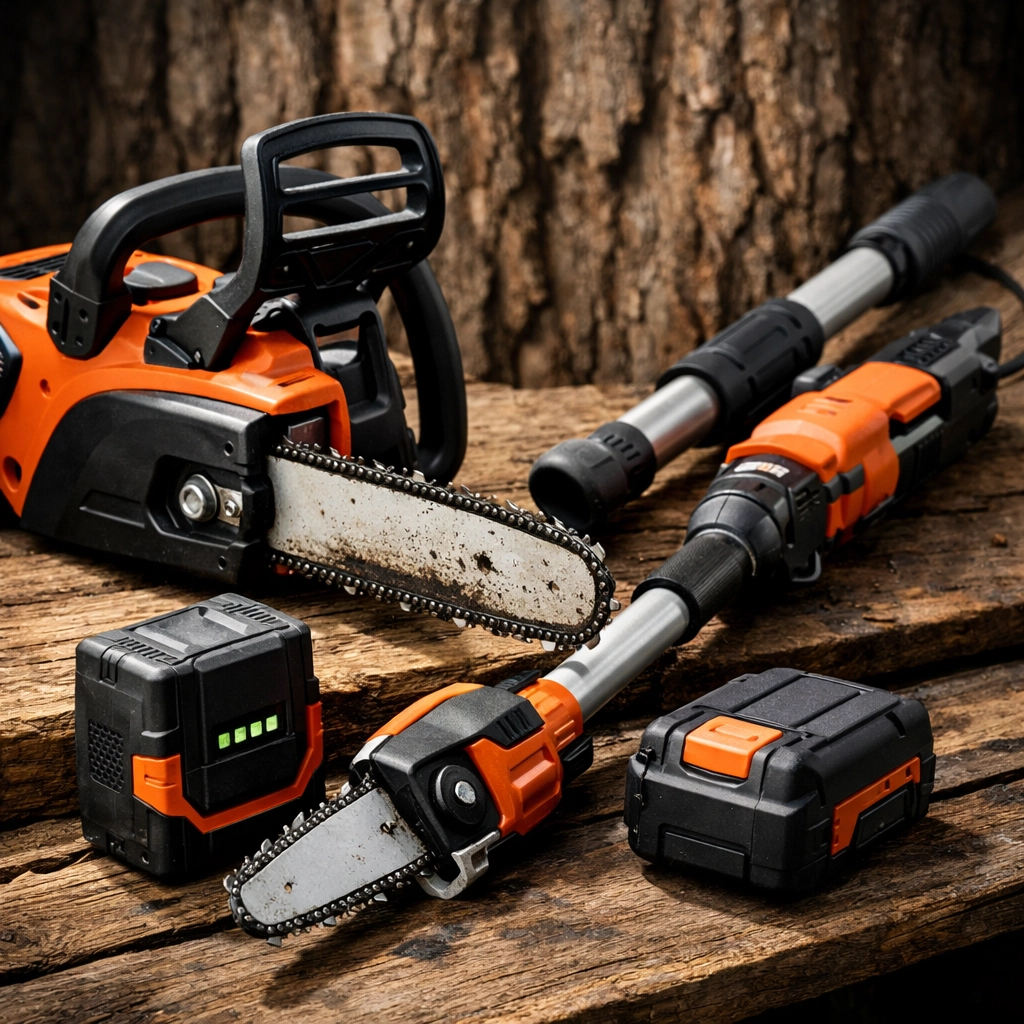
Walk onto a modern tree surgery site and you'll notice the tools have changed significantly. Battery-powered chainsaws and pole saws have become standard in precision tree surgery. They're lighter, quieter, and produce zero emissions on site: important when working near homes, schools, or hospitals in the North East.
These aren't compromise tools either. Modern battery technology delivers the same cutting power as petrol equivalents, but with better balance and reduced vibration. For tree surgeons working at height all day, that makes a real difference to safety and accuracy.
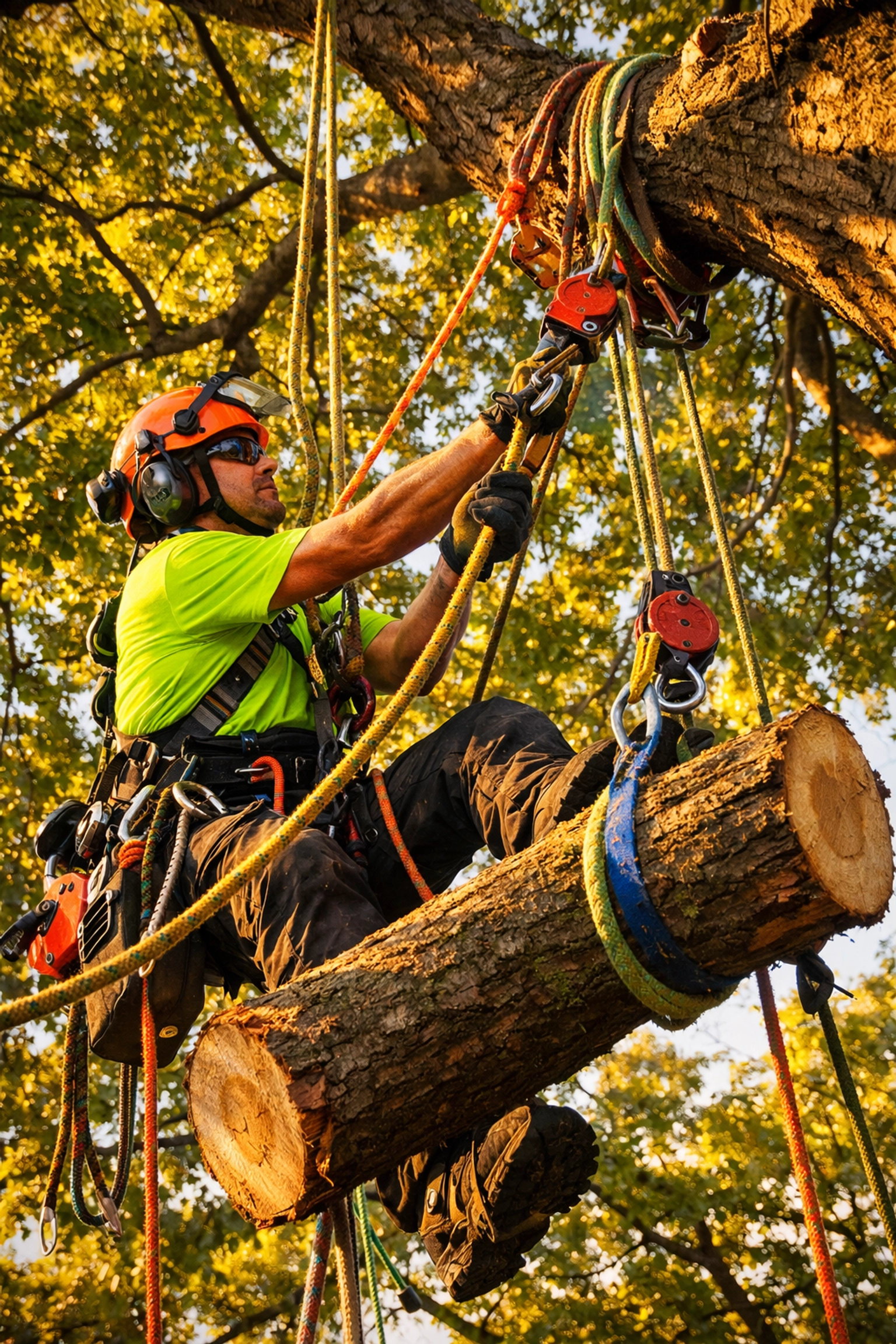
Rigging systems have also evolved. Advanced rope systems with specialized pulleys and friction devices allow us to remove branches with millimeter precision, even in tight spaces. When a tree overhangs your conservatory or sits close to power lines, this level of control matters enormously.
For larger removals, mobile cranes and mechanical hoists enable us to lower entire tree sections safely. This minimizes risk to nearby structures, reduces ground impact, and speeds up the work: often completing in a day what might have taken several days a decade ago.
British Standards and Professional Certification
Here's something that hasn't changed: the importance of working to British Standards. BS3998 remains the benchmark for tree work in the UK, setting out recommendations for safe and appropriate tree surgery practices.
What has changed is how seriously modern certified arborists take these standards. Today's professional tree surgeons use BS3998 as a foundation, not a ceiling. We combine these established guidelines with the latest research on tree biology and wound response.
When you hire a qualified arborist in 2026, you should expect:
- A thorough assessment before any cutting begins
- Clear explanations of why specific techniques are recommended
- Work that prioritizes long-term tree health, not just immediate appearance
- Documentation of what was done and why
- Follow-up recommendations for ongoing care
Certification through bodies like the Arboricultural Association or holding qualifications like NPTC CS38/39 (aerial tree work) demonstrates that a tree surgeon has the training to work safely and effectively. This isn't optional paperwork: it's proof of professional competence.
Precision Techniques That Match the Problem
Modern tree surgery is surgical in the truest sense. Rather than heavy-handed pruning that stresses trees unnecessarily, today's approach matches the technique to the specific issue.
Crown thinning removes selected branches throughout the canopy to improve air circulation. This is particularly effective against fungal diseases that thrive in still, damp conditions: common in our North East climate.
Deadwooding removes branches that are already dead or dying. These create entry points for pathogens and can harbor pests. Removing them protects the healthy parts of the tree.
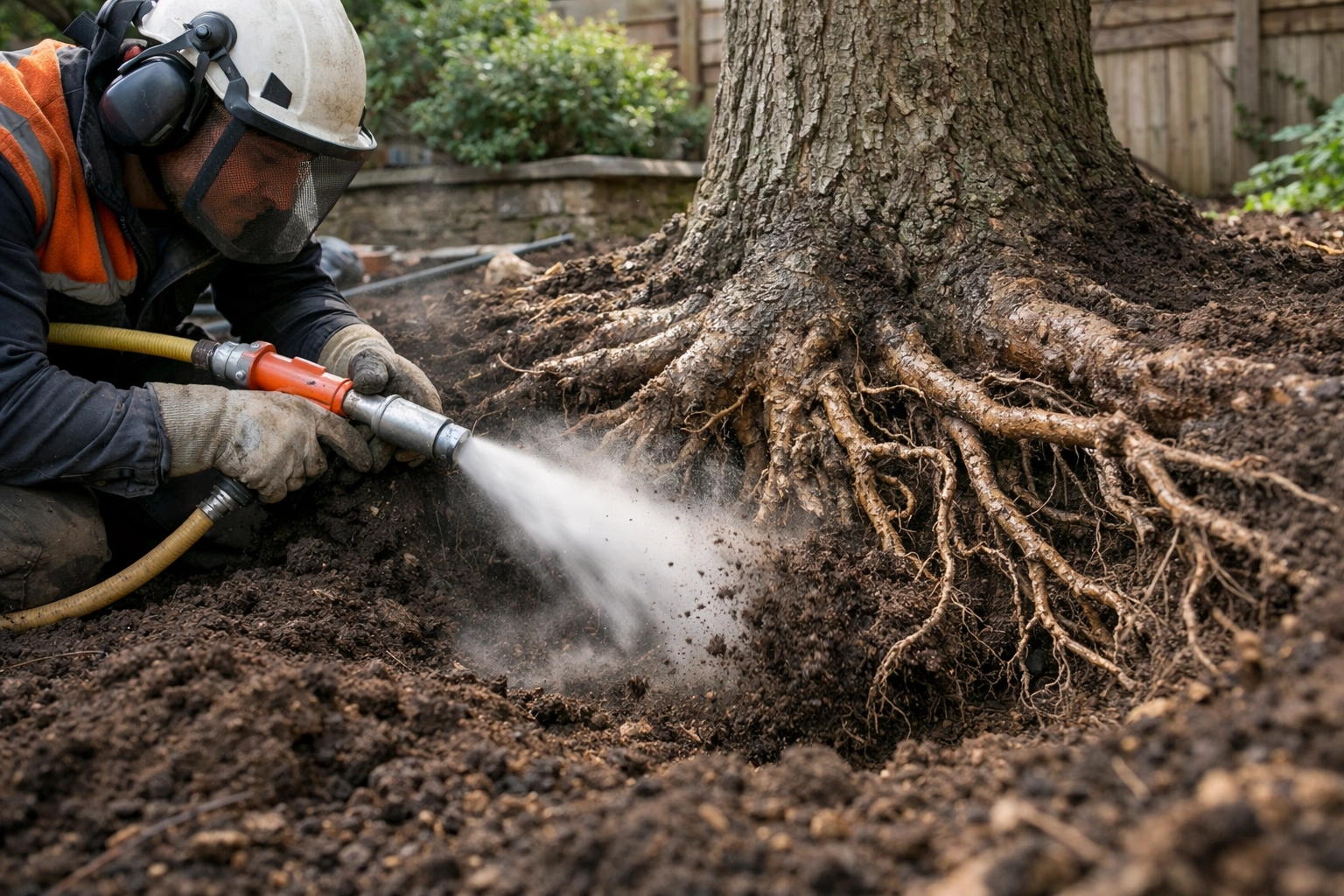
Air-spading uses compressed air to expose and examine root systems without damaging them. This technique helps diagnose root problems, relieve soil compaction, and improve drainage: all without the destructive digging of the past.
Root collar excavation addresses a surprisingly common problem: trees planted too deep. When soil covers the root collar, it can lead to rot and decline. Carefully exposing this critical area allows the tree to recover.
When treating cavities and decay, modern practice avoids filling holes with concrete or foam. Instead, we remove rotted wood and leave cavities open to air-dry naturally. Research shows this approach works better with trees' natural compartmentalization process: their ability to wall off damaged areas.
Ecological Care and Species-Specific Approaches
Perhaps the most significant evolution in tree surgery is the shift toward ecological thinking. Professional tree surgeons now understand that different species respond very differently to the same intervention.
London planes, limes, and hornbeams: common street trees across Sunderland and Durham: compartmentalize wounds effectively and regrow vigorously. They can tolerate more aggressive disease treatment when necessary.
Birches and ornamental cherries, on the other hand, struggle with wound healing. These species require more conservative approaches that carefully balance disease removal against the stress of cutting.
Modern tree surgery also considers the tree's role in the broader ecosystem. We think about wildlife habitats, especially when working with mature trees. Deadwood isn't always removed if it provides valuable habitat for insects, birds, or bats: unless it poses a genuine safety risk.
Biological treatments now complement physical interventions. Rather than just cutting out disease, we look at soil amendments, proper irrigation, and strategic pruning to reduce tree stress while the tree's own immune system fights infection.
Data-Driven Aftercare
Tree surgery doesn't end when the cutting stops. Modern practices include data-driven aftercare, particularly around watering and soil management.
IoT-enabled soil moisture sensors have transformed irrigation from guesswork into science. These systems detect moisture stress before leaves wilt or drop, allowing intervention when it's most effective. They can reduce water use by 25-40% while ensuring water reaches deep roots where it's needed.
Combined with weather forecasts and AI analysis, smart irrigation systems adjust automatically based on predicted conditions. For commercial properties managing multiple trees, this technology delivers both better tree health and lower water costs.
Why Professional Tree Surgeons Matter More Than Ever
With all this technology and technique, you might wonder if tree surgery has become overcomplicated. The opposite is true: it's become more precise and more effective.
But this precision requires expertise. The gap between professional certified arborists and unqualified "tree fellers" has never been wider. Anyone can buy a chainsaw, but understanding how a specific tree will respond to a particular cut requires training, experience, and ongoing education.
Professional tree surgeons invest in:
- Regular training on new techniques and equipment
- Diagnostic tools that catch problems early
- Comprehensive insurance that protects you and your property
- Adherence to British Standards and safety regulations
- Knowledge of local tree diseases and pests specific to the North East
When you choose a qualified tree surgeon, you're not just paying for time and equipment. You're paying for the judgment that comes from understanding tree biology, local conditions, and how to achieve your goals without compromising tree health or safety.
What This Means for You
If you need tree work in 2026, whether it's routine maintenance or emergency storm damage, expect a more thorough and considered approach than you might have experienced years ago.
A professional tree surgeon should:
- Assess your trees properly before recommending work
- Explain options clearly, including doing nothing if that's the best choice
- Use appropriate modern techniques for your specific situation
- Leave your trees healthier, not just smaller
- Provide guidance on ongoing care
Tree surgery has evolved because our understanding of trees has deepened and our tools have improved. The result is better outcomes for trees, properties, and people across Seaham, Sunderland, and County Durham.
Your trees are long-term investments in your property and the local environment. They deserve care from professionals who combine traditional arboricultural knowledge with modern precision tree surgery techniques. That's what you should expect: and demand: in 2026.
If you're considering tree work and want to discuss the best approach for your specific trees, get in touch with our team. We're always happy to talk through your options and explain exactly what modern tree surgery can achieve for your property.
Leave a Reply