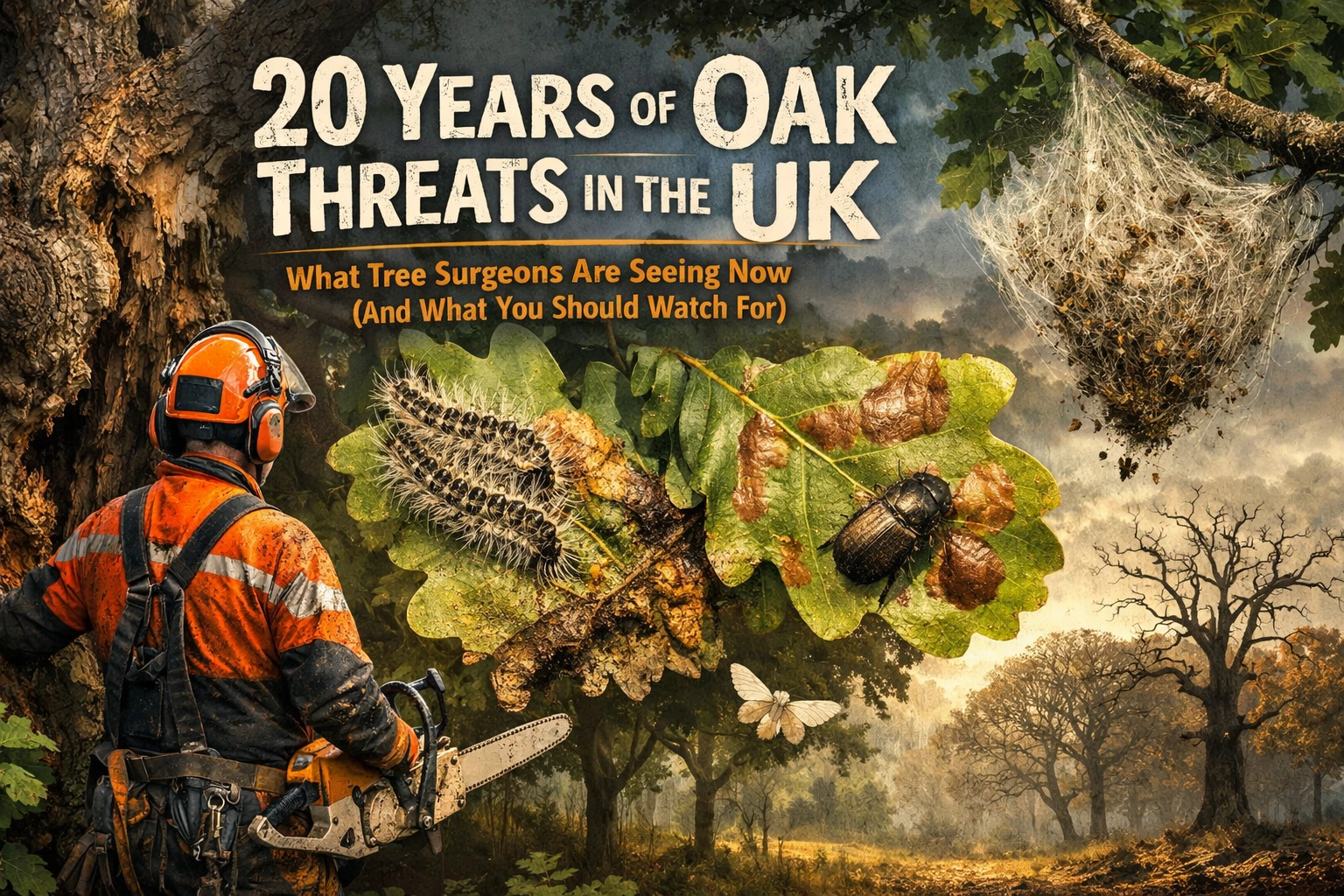
If you've got oak trees on your property, you're looking after a piece of British heritage. The UK is home to around 121 million oak trees across woodlands, parks, and gardens. But over the last two decades, these mighty trees have faced mounting pressures that no tree surgeon could have predicted back in 2006.
As we mark 20 years since one of the biggest threats arrived on our shores, it's worth looking back at what's changed: and what we're dealing with on the ground right now.
2006: The Year Everything Changed
Twenty years ago, the oak processionary moth (OPM) was first spotted in south-west London. It likely hitched a ride on imported oak trees the year before, but 2006 was when we really knew we had a problem.
Since then, this invasive pest has steadily spread across Greater London and into surrounding counties, despite serious containment efforts from the Forestry Commission, local authorities, and tree care specialists like us. We've seen surveillance programmes, targeted pesticide applications, nest removal operations, and major public awareness campaigns: yet OPM continues to be a challenge we manage every season.
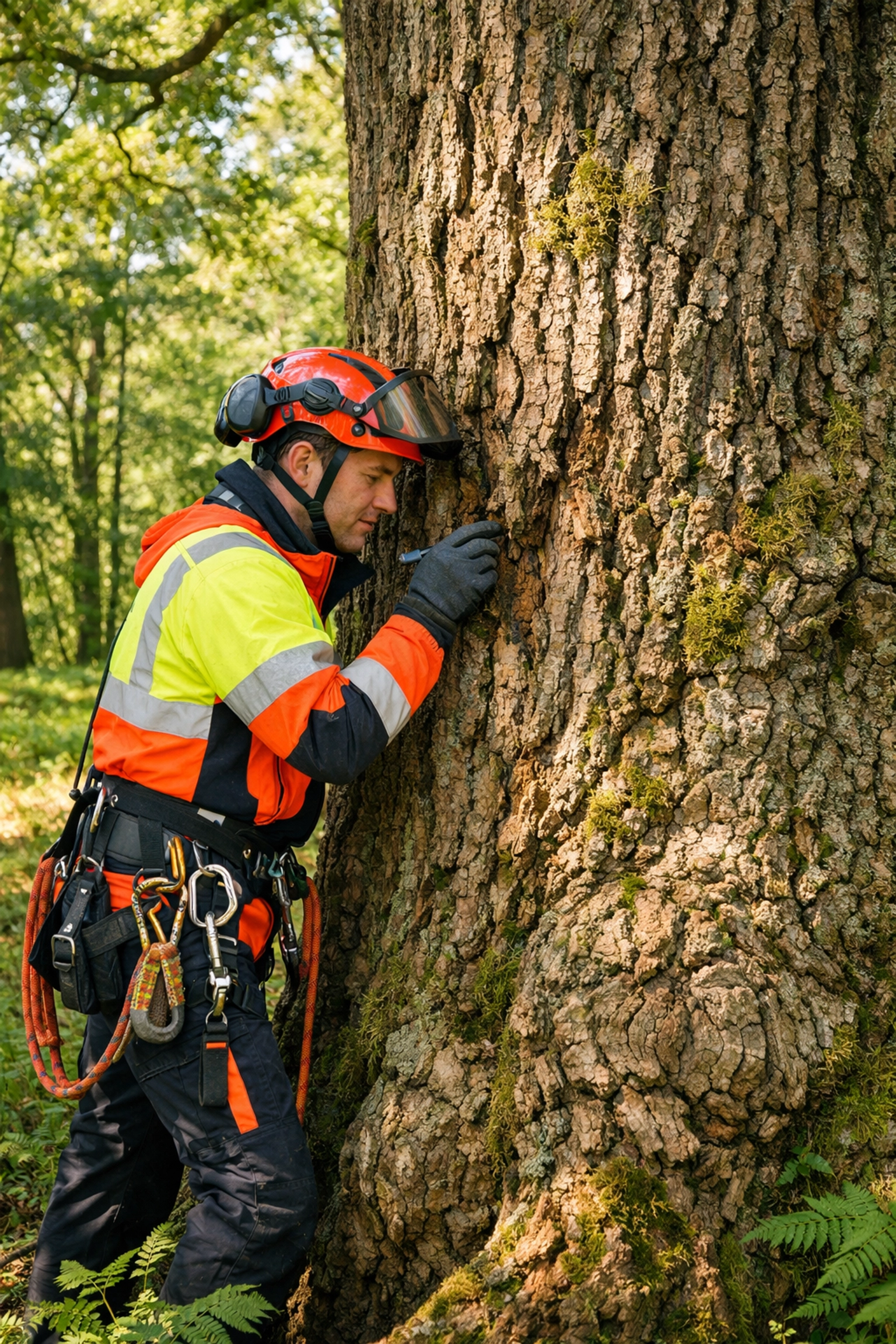
For tree surgeons working in affected areas, OPM changed how we approach oak tree work entirely. Those tiny hairs on the caterpillars aren't just a nuisance: they're covered in toxins that can cause skin rashes, eye problems, and breathing difficulties. And here's the thing: the hairs don't disappear when the caterpillars leave. They stick around in old nests and can blow about on the wind months later.
If you've read our guide on what to do if you spot something strange on your oak trees, you'll know that OPM is something you absolutely shouldn't touch yourself.
But OPM Isn't Working Alone
While OPM gets most of the headlines, it's far from the only threat we're seeing in the field. In fact, oak trees are now facing what experts call a "convergence of threats": multiple problems hitting at once.
Acute Oak Decline (AOD)
This one's particularly nasty. Acute Oak Decline primarily affects English oak (pedunculate oak) in central, southern, and eastern England. It weakens trunks and branches from the inside, leaving trees vulnerable to everything else that comes their way.
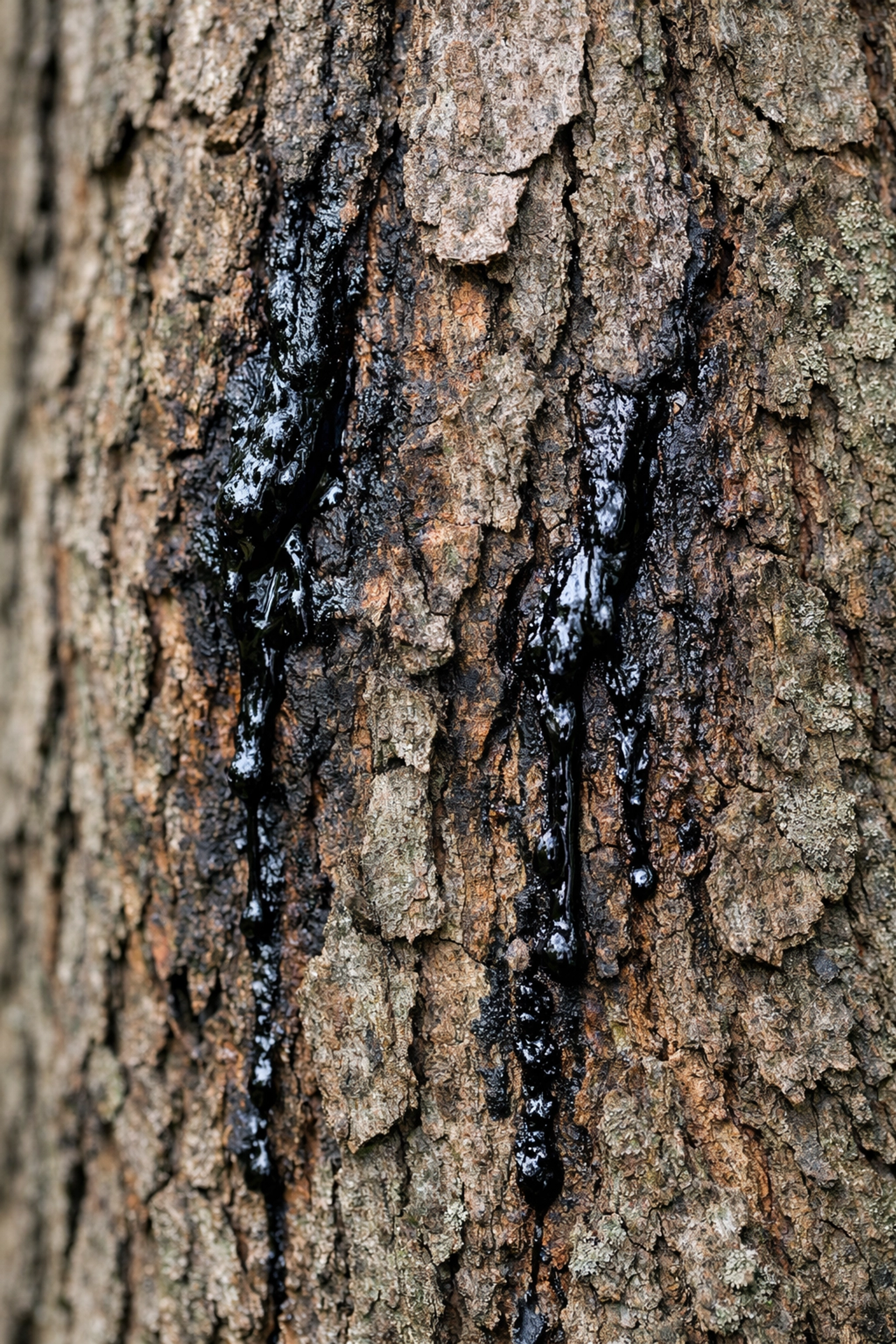
When we're called out to assess a struggling oak, AOD is often part of the picture. The tree might look okay from a distance, but up close, you'll see bleeding patches on the bark, dying branches, and a general decline that accelerates faster than normal ageing.
In 2024, Defra brought together about 60 professionals: Forest Research scientists, environmentalists, and arboriculturists: to review the evidence and work out policy responses. That's how serious this has become.
Chronic Oak Decline: The Long Game
Oak decline isn't new. We've seen serious episodes before: in the early 1920s and again between 1989 and 1994. But from 1997 onwards, cases started rising significantly again, and they haven't stopped.
Chronic oak decline is exactly what it sounds like: a slow, gradual weakening. It's often caused by a combination of environmental stress, poor growing conditions, and secondary infections. Unlike AOD, which can kill a tree within a few years, chronic decline plays the long game.
The Supporting Cast of Tree Health Problems
On top of the headline threats, we're also dealing with:
- Root-attacking honey fungus: Several species that target stressed or weakened oaks
- Powdery mildews: Especially problematic in damp conditions
- Secondary bacterial and fungal infections: Moving in wherever trees show weakness
And tying it all together? Climate change. Drier summers, wetter winters, unpredictable frosts: all of it adds up to environmental stress that makes oak trees more vulnerable to pests and diseases they might otherwise shrug off.
What We're Seeing on the Ground Right Now
So, what does all this look like when you're actually up in the tree or assessing it from ground level?
Honestly, no two call-outs are exactly the same, but there are patterns. In areas with established OPM populations, we're seeing repeat infestations year after year. Property managers who thought they'd dealt with it in 2024 are finding fresh nests in 2026.
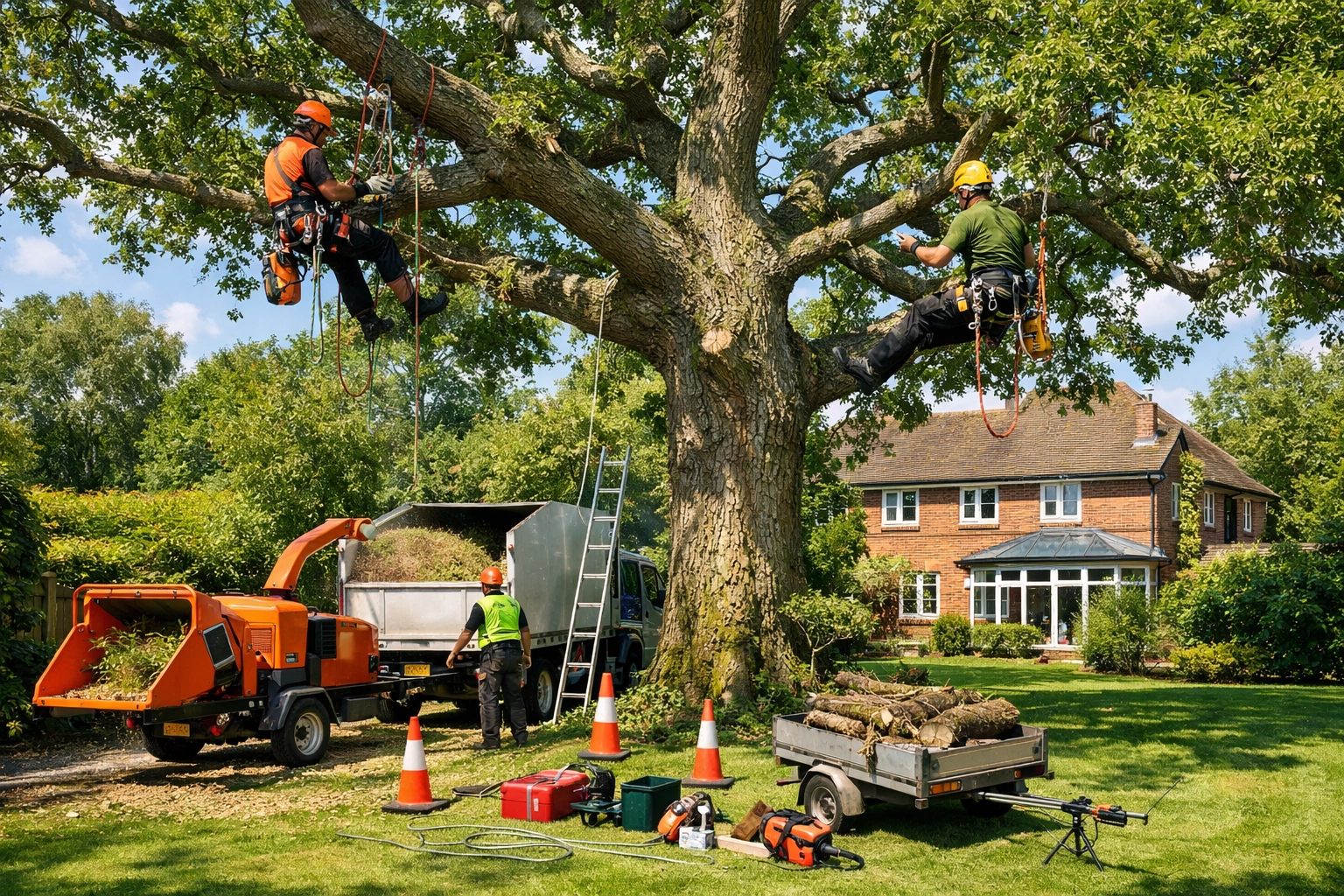
AOD cases often come as a shock to property owners. You might have an oak that's been standing strong for 150 years, and suddenly it's declining fast. The challenge with AOD is that by the time the external symptoms are obvious, the internal damage is already significant.
We're also noticing that trees under multiple stressors decline faster. An oak dealing with OPM, a dry summer, and compacted soil around its roots is in a far worse position than one facing just a single issue.
In the North East, where we're based, we're fortunate that OPM hasn't established itself yet: but we're keeping our eyes open. AOD and chronic decline are absolutely on our radar, especially as weather patterns shift.
Early Warning Signs Every Property Owner Should Know
You don't need to be a qualified tree surgeon to spot the early signs that something's wrong. Here's what to watch for:
Oak Processionary Moth
- White silken nests on trunks and branches (usually from May onwards)
- Large groups of caterpillars moving in a "procession"
- Caterpillars with long white hairs covering their bodies
- Defoliation or thinning canopy during spring and early summer
Crucially: Never touch the caterpillars, nests, or affected areas. Those toxic hairs are no joke.
Acute Oak Decline
- Dark, sticky patches of "bleeding" on the trunk
- Vertical cracks in the bark
- Rapid dieback in the crown (top of the tree)
- Thinning foliage that doesn't bounce back the following spring
General Oak Health Problems
- Dead or dying branches
- Unusual leaf discolouration or early leaf drop
- Fungal growth at the base of the trunk
- Splits or cavities in major limbs
- Significant lean or structural changes
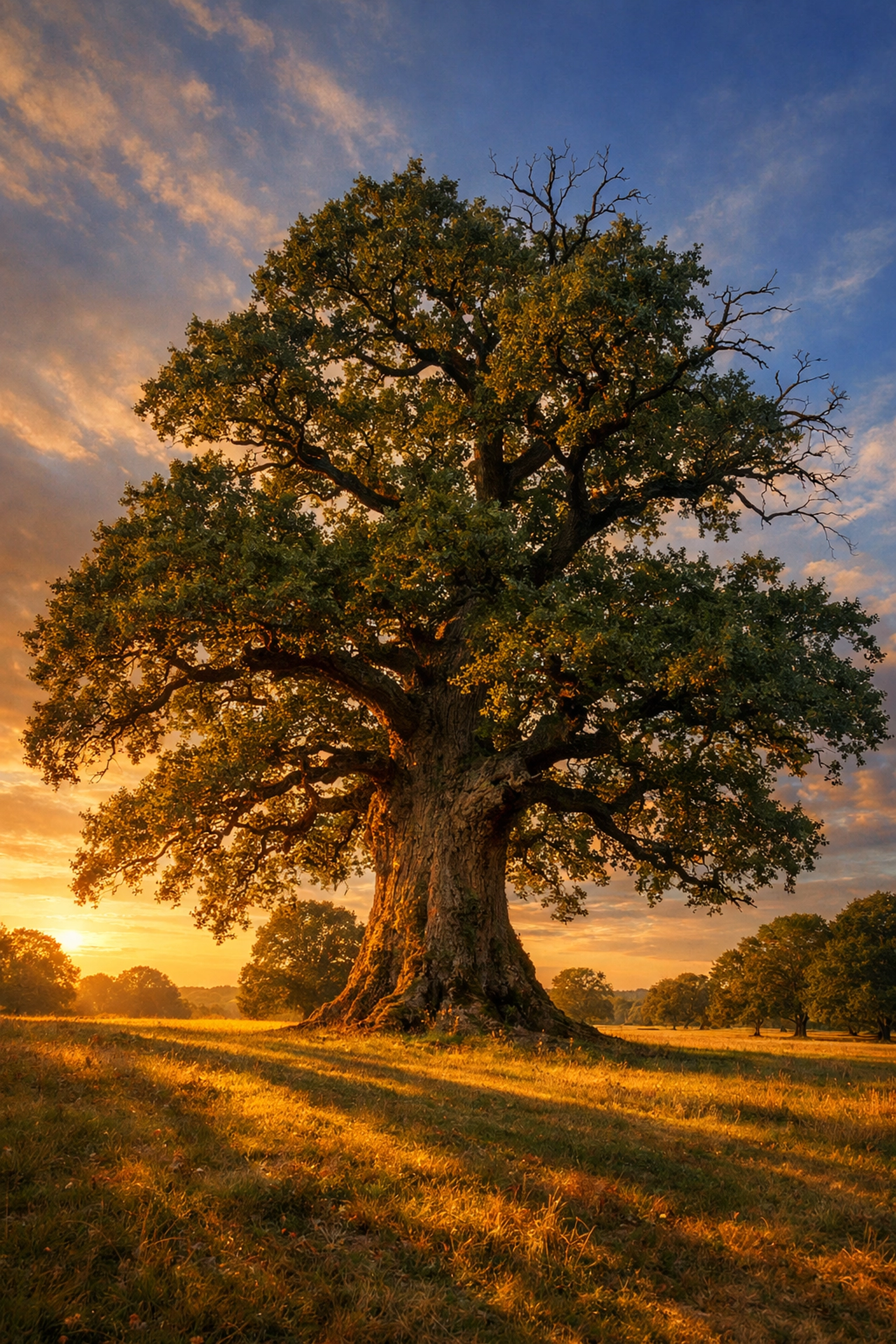
If you spot any of these, it's worth getting a professional tree health assessment. Early intervention can sometimes save a tree that would otherwise be lost.
Why Professional Tree Surgery Matters More Than Ever
Twenty years ago, tree surgery was largely about pruning, shaping, and removing dangerous trees. It still is: but now we're also dealing with complex biosecurity issues, invasive species management, and disease diagnostics that require specialist knowledge.
When we carry out tree surgery on oaks now, especially in OPM-affected areas, we're following strict protocols. That means proper PPE, controlled removal of infected material, and safe disposal that prevents further spread.
For property managers, understanding these threats is essential for planning and budgeting. If you're dealing with site clearance or managing established trees, a tree risk assessment should factor in oak health alongside structural safety.
Looking Ahead: What the Next Few Years Hold
The Action Oak Partnership: made up of charities, environmental organisations, and landowners including Forest Research: is working to protect the UK's oak population. While reported outbreaks remain relatively small compared to our 121 million trees, the message is clear: proactive protection matters.
For tree surgeons, that means staying informed, following best practices, and helping property owners spot problems early. For you, it means knowing what to look for and not hesitating to call in professional help when something seems off.
Oak trees have survived a lot over the centuries. With proper care and attention, they'll continue to stand strong for generations to come: but they need a bit of help from us to get there.
Get Your Oaks Checked
If you've got oak trees and you're concerned about their health, now's the time to act. Whether it's a routine inspection or you've spotted something that doesn't look right, getting a professional opinion can make all the difference.
At Treemasters, we're experienced in identifying and managing oak health issues across the North East. If you'd like to discuss your trees or book a tree health assessment, get in touch with us and we'll take a look.
Your oaks have been around a long time. Let's make sure they stick around a bit longer.
Leave a Reply